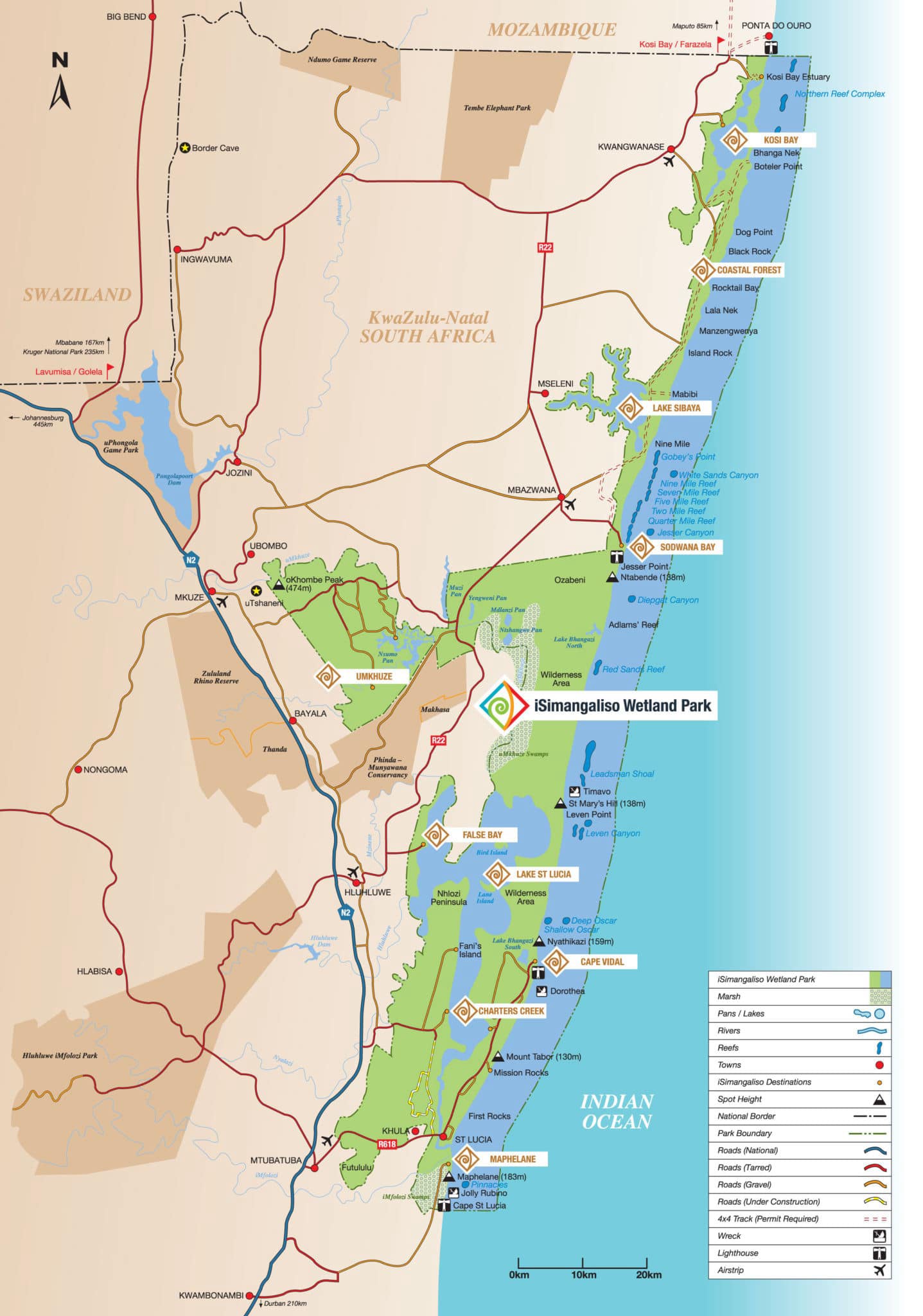
A complete “About iSimangaliso Wetland Park” guide: UNESCO World Heritage status, ecosystems, wildlife facts, conservation, best things to do, and why St Lucia is the perfect gateway, plus highlights like Mkuze Game Reserve, Sodwana Bay, Kosi Bay fish traps, and the perfect add-on safari to Hluhluwe-iMfolozi Park.
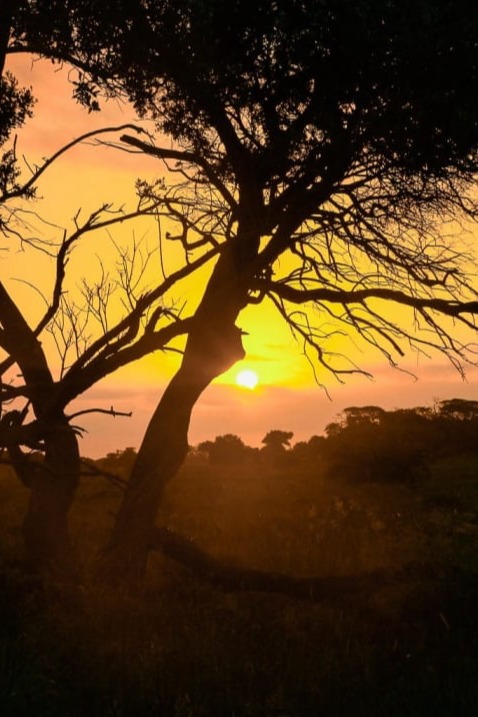
Many parks do one thing exceptionally well, big game, birding, beaches, or scenic drives. iSimangaliso Wetland Park stands out because it delivers multiple world-class experiences in one connected protected landscape.
Wetland-to-Ocean Diversity: estuaries and freshwater lakes connect to dunes, coastal forests and marine environments.
Wildlife Variety: reptiles, birds, antelope, larger mammals and marine life can all appear within one trip.
Scenic Extremes: calm water systems, towering vegetated dunes, coral reef coast and open ocean horizons.
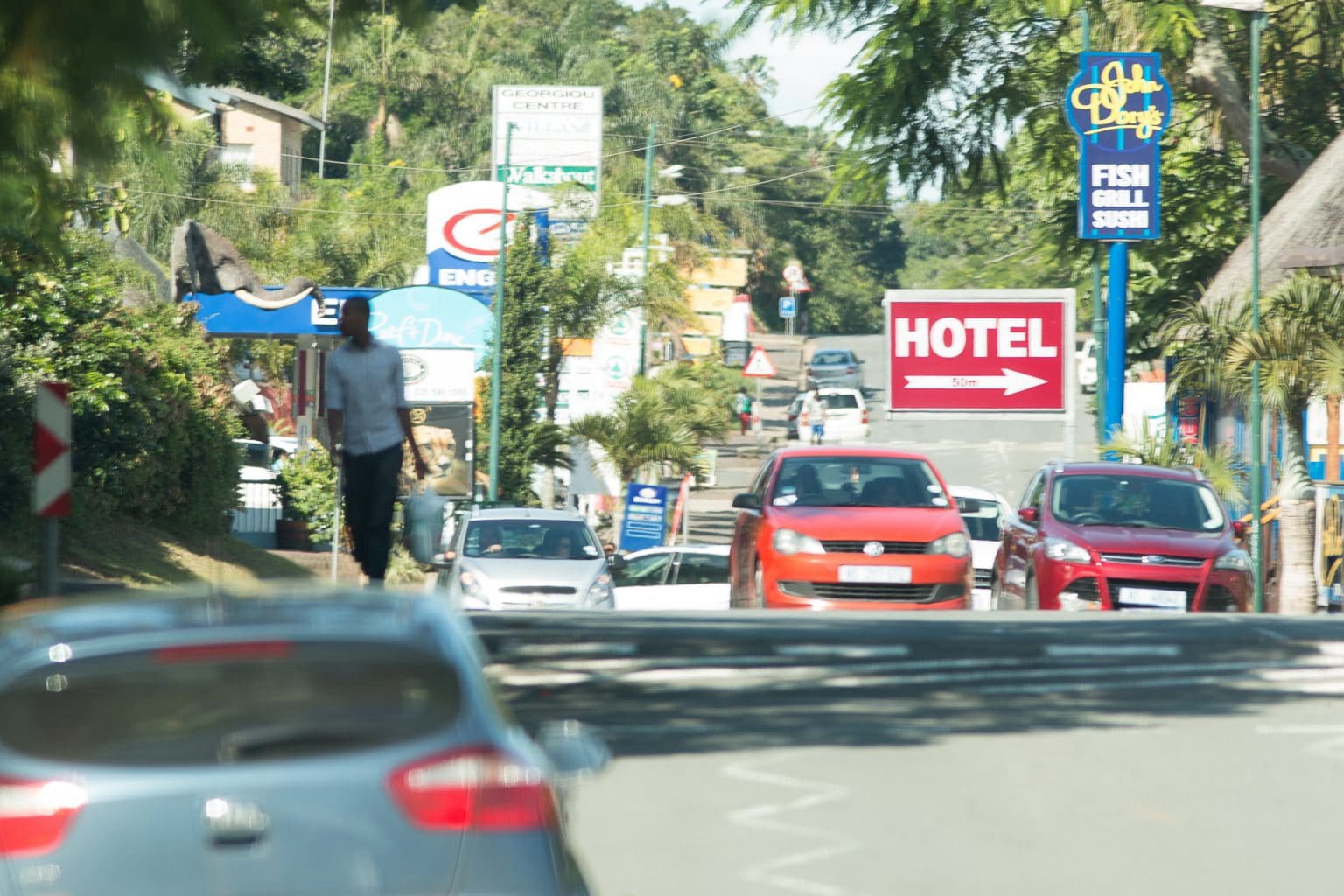
A Perfect Gateway Town: St Lucia makes planning easy and tours accessible.
Easy to combine with the Hluhluwe-iMfolozi Park: a classic safari add-on that completes the “coast + bush” story.
If you want a destination that feels different every time you turn a corner, iSimangaliso is exactly that.
Many travellers don’t realise that the Mkuze Game Reserve forms part of the broader iSimangaliso Wetland Park experience, adding an inland, bushveld-style layer to the World Heritage landscape.
Mkuze adds:
• a more traditional “bush” feeling
• different plant communities and birdlife
• an alternative wildlife-viewing atmosphere compared to the estuary/coast zones
• a powerful contrast for travellers who want both forested wetland scenery and more open reserve landscapes
• Wildlife species found within this park of note include Lions and Wild Dogs
Sodwana Bay is one of the northern “headline” names travellers associate with this coastline, and it deserves a place in your iSimangaliso Wetland Park guide. While St Lucia is the gateway for many classic activities, Sodwana represents the park’s ocean identity: reef environments, warm waters, and a beach culture that feels distinctly Maputaland.
Even if a guest doesn’t dive, Sodwana adds value to an itinerary because:
• it shows the marine side of iSimangaliso is not just “a beach,” but a living ecosystem
• it offers a very different coastal atmosphere than the St Lucia area
• it helps travellers understand iSimangaliso’s size and variety
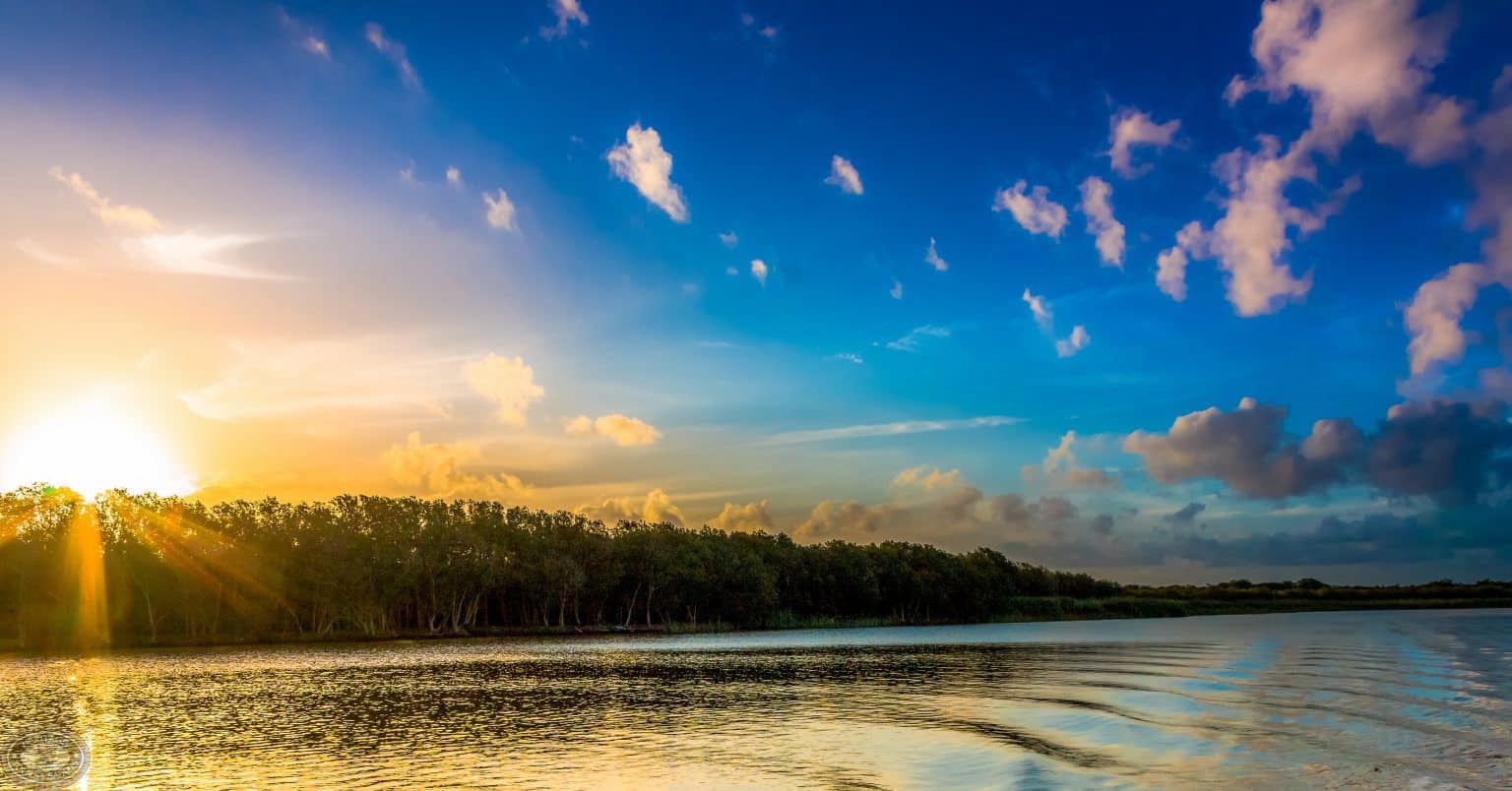
Kosi Bay is another jewel in the iSimangaliso’s crown an area of linked lakes and channels where nature and culture are inseparable. Many travellers visit Kosi Bay for the scenery alone: calm waters, lush edges, and a feeling of being at the far end of the coastline where the environment becomes quieter and more remote.
But Kosi Bay is also famous for its traditional fish traps, a cultural highlight that makes this region globally interesting.
Brief facts: Kosi Bay fish traps (how they work)
• The traps are traditionally built from sticks and brushwood, arranged as fences and channels in the water.
• The design guides fish with the movement of water (often linked with tidal flow and current), directing them into enclosed areas that are easier to harvest.
• Many descriptions explain that the system is cleverly designed so fish can enter but struggle to exit like a natural maze made from local materials.
• It’s widely viewed as an example of long-standing local knowledge and heritage, and when practiced traditionally, it is often described as a sustainable method because it relies on skill, timing, and local conditions rather than industrial-scale extraction.
For travellers, this is a rare experience: a protected landscape that also carries living heritage deepening the trip beyond wildlife alone.
• Estuary icons: Hippos are the signature species of the St Lucia system, often seen in pods surfacing and snorting.
• Night grazers: Hippos spend hot hours in water, then feed on land after dark (one reason St Lucia gets hippo visitors in town).
• Surprising speed: Hippos can move far faster than most people expect on land.
• Respect and space: View from boats, vehicles or safe distances never approach for photos.
• Ancient predators: Built for ambush stillness, patience, explosive speed.
• Basking behaviour: They bask to regulate temperature, so bankside sightings are common.
• Long-lived: Crocs can live for decades in suitable habitats.
• Safety first: Never swim in the estuary waters; follow local guidance
Depending on where you explore, iSimangaliso can reveal elephant, buffalo, antelope species, and on lucky days, predators like leopard. What makes the experience special is not only “what you see,” but the fact that you can see it against multiple backdrops: wetlands, forest, dunes and ocean.
• . Nyala: a northern KZN favourite and a beautiful forest-edge antelope.
• Bushbuck and duiker: shy and quick rewarding to spot early morning.
• Warthog: common in open patches and along roadsides in suitable zones
Birding is exceptional here because habitats change quickly. Estuary birds, forest birds, raptors and coastal species occur within one protected area. Even travellers who are not “birders” often leave iSimangaliso talking about fish eagles, kingfishers, herons, egrets, storks, and the constant movement of life around the water’s edge.
Along the coastline, travellers may experience marine life in different ways depending on season and location dolphins, migrating whales, and turtle-linked coastal experiences are part of the wider identity of the iSimangaliso region. The key point for your article: iSimangaliso is not only “bush” or “wetland” it is a full coastal wilderness system.